
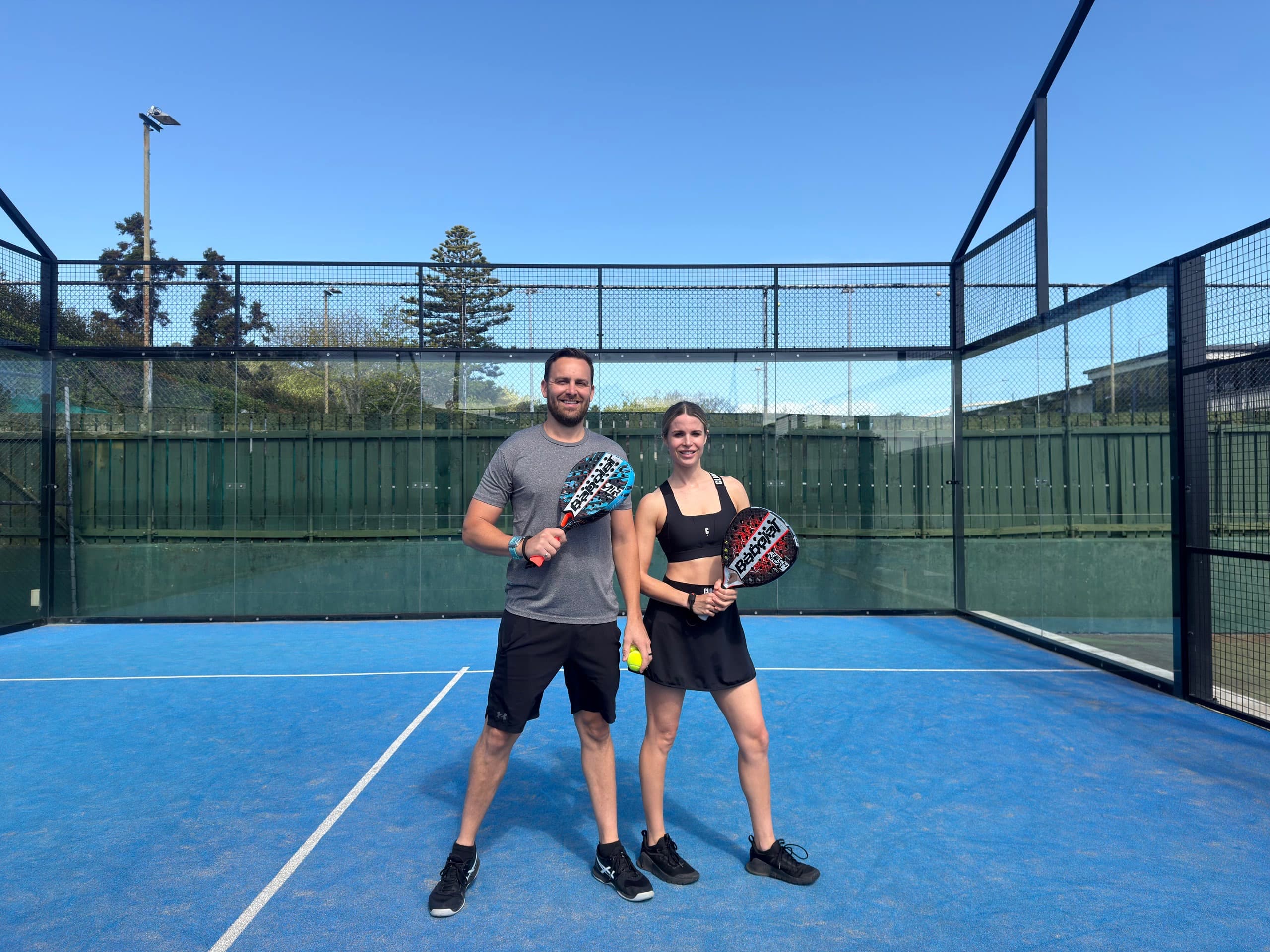
Two players with padel rackets on an enclosed court

The benefits of padel

A game to share.A reason to come together.

For players, padel makes time for movement, friendly competition and other people. For clubs, it offers a way to bring a new playing community into the venue. The opportunity starts with a good first game.

For players

More reasons to get on court.

You do not need to arrive as an expert. Start with people you enjoy spending time with, learn the basics and build from there.

01

Time together, built into the game.

Padel is usually played in doubles. You share the court with a partner, work out the next shot together and have three other people to enjoy the game with. A regular session gives friends, workmates or family a reason to meet.
02

A clear place to start.

The underarm serve gives newcomers a practical first skill to learn. Start with short rallies and simple scoring before getting used to the glass. Players still need practice, and a patient group or coach can make that first experience more enjoyable.

03

Movement with something to focus on.

Following the ball, moving with your partner and choosing a shot give the session its rhythm. Play at a pace that suits your group, warm up and take breaks. As your skills grow, you can look for more challenging games.

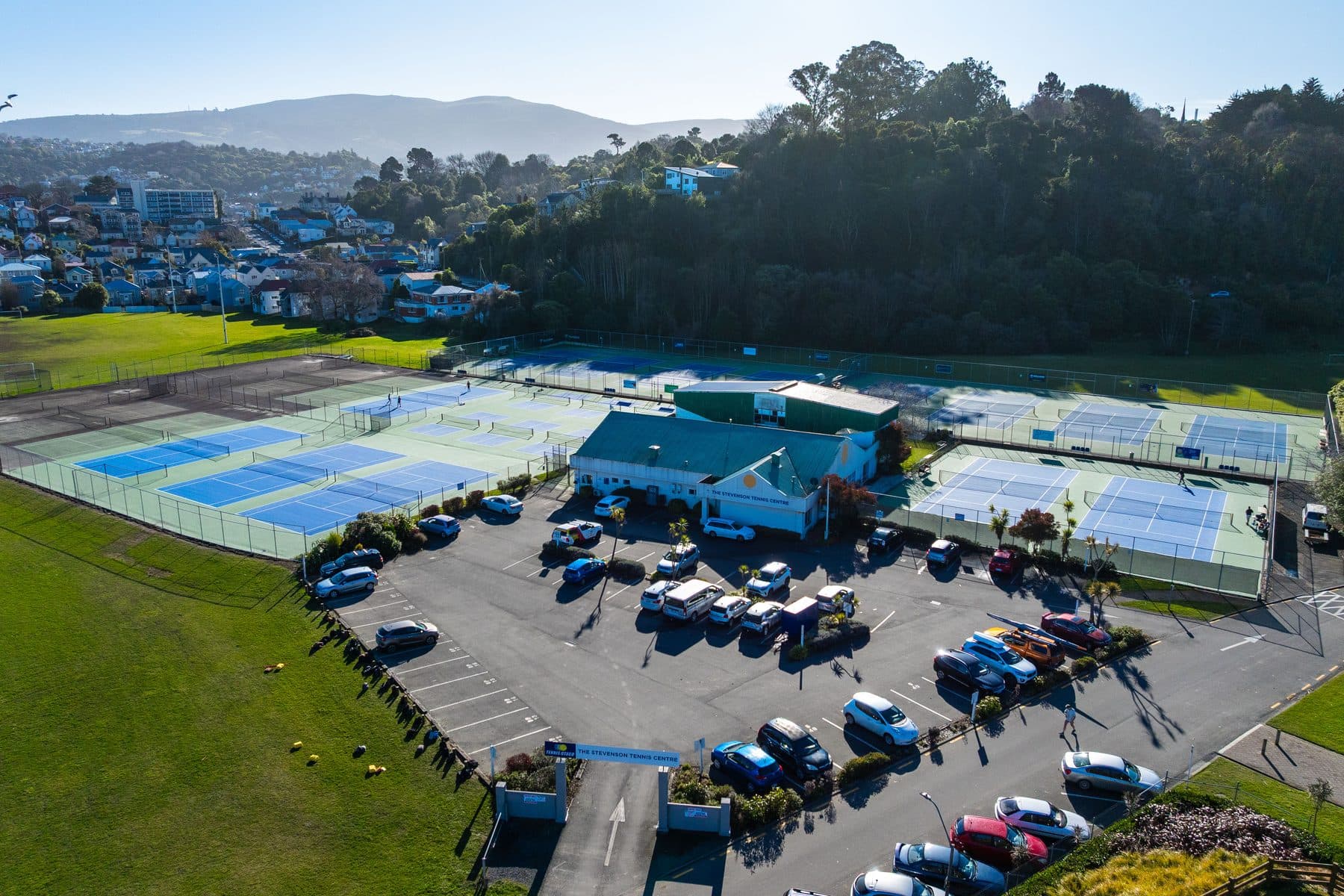
Pure Padel courts alongside the tennis facilities at Otago Tennis Club in Dunedin

For clubs and communities

Give people another reason to visit.

A padel court can introduce a different way to use a sports venue. Its value depends on who will play, how they discover it and what keeps them coming back.

In Dunedin, our two outdoor courts sit at Otago Tennis Club. It is a real example of padel sharing an existing sports setting. Every new site needs its own assessment; a court alone does not guarantee demand or a return.

01

Welcome a different playing group.

Beginner introductions, social games and coaching can give people a route into the club. Plan how someone without a racket, a playing partner or an existing membership will get started, rather than assuming they will find their own way.

02

Build a programme around the court.

A weekly social session, workplace group or friendly competition can turn an occasional visit into a shared routine. Match the programme to local interest and staff capacity, and make space for existing club activities.

03

Test the commercial case.

Court bookings, coaching and events may provide income. Set that against construction, finance, maintenance, staffing and operating costs. Check realistic local demand, weather exposure, accessible hours and the impact on neighbours before committing.

Before you build

Start with the people.
Then plan the court.

The strongest proposal explains who the venue will serve and how their first visit will work.

  • Who is likely to play, and how will you test that interest?
  • How will beginners find partners, equipment and help?
  • Can the site accommodate the court, circulation, access and any required approvals?
  • How will booking, entry, lighting and support work together?
  • What level of use covers the full cost of operating the facility?

Common questions

Is padel right for you?

Do I need to have played tennis?

No. Our beginner guide explains the serve, scoring and glass. Let your group know you are learning, and ask about coaching if you would like help before your first game.

Do I need three other players?

A normal doubles game uses four players. If you do not have a group, contact us before booking to ask what introductions or sessions are currently available. This is an enquiry, not a guaranteed place in a game.

Does adding padel guarantee a busy club?

No. Demand, location, pricing, programming and the player experience all matter. A practical feasibility assessment is more useful than assuming another venue's results will repeat at your site.

Should a club start with a court or a programme?

Plan both together. A court needs players, and a programme needs a suitable place to play. Test local interest and work through the site and operating requirements before making a building commitment.

Try it for yourself

Your next game
starts in Dunedin.

See current times and prices, and get ready for your first visit.

Plan a game

Have a club or site?

Talk through
the opportunity.

Tell us about the people, place and programme you have in mind.

Discuss your project